
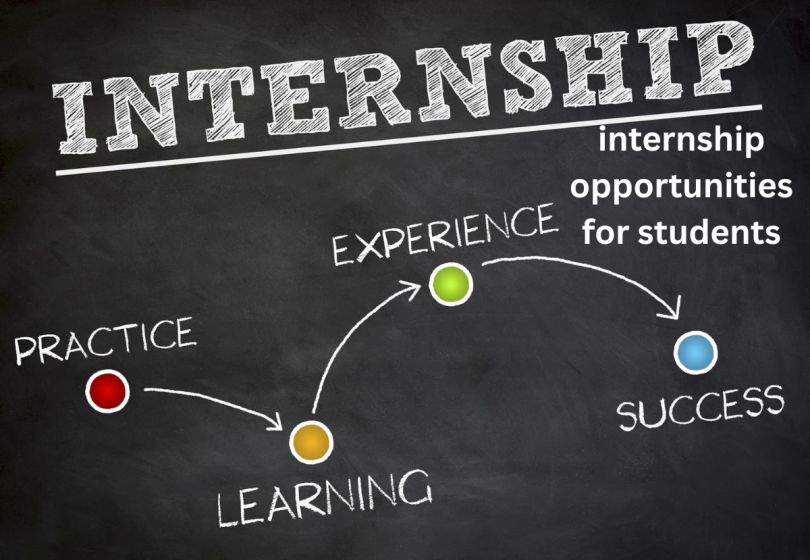

If you’re a student, you’ve probably heard advice like:
“Do an internship before you graduate — it’ll help you get a job later.”
And honestly? That’s true.
Internship opportunities for students aren’t just about getting “work experience” — they’re your bridge between the classroom and the real world. They give you a taste of professional life, let you apply what you’ve learned in your studies, and help you build a network that could shape your future career.
Whether you’re studying business, engineering, art, or computer science, there’s an internship out there for you — and choosing the right one can make a huge difference.
What Is an Internship?

An internship is a structured short-term work experience offered by companies, non-profits, research institutions, or government agencies.
Unlike part-time jobs, internships are designed for learning. You work under supervision, get training, and contribute to real projects — all while discovering what the workplace is really like.
Internships can be:
- Paid Internships – You earn a stipend or salary while gaining experience.
- Unpaid Internships – You work for free, but gain skills, references, and industry exposure.
- Part-time Internships – Fewer hours per week, ideal for students balancing classes.
- Full-time Internships – Immersive, usually during summer breaks.
- Virtual Internships – Fully remote, allowing you to work from anywhere.
Why Internship Opportunities for Students Are Important
The gap between academic learning and practical skills is often bigger than students expect. Internships help close that gap.
1. Apply Classroom Knowledge in Real Life
You learn theory in class — internships let you use that theory in real-world situations.
2. Explore Career Paths
Not sure if your major is the right fit? An internship can help you decide before committing to a career.
3. Build a Professional Network
Internships connect you with professionals, mentors, and future employers.
4. Develop Essential Skills
You gain both hard skills (technical, analytical) and soft skills (communication, teamwork).
5. Stand Out in the Job Market
Employers prefer candidates who already have relevant experience.
Types of Internship Opportunities for Students
Here’s a breakdown of the most common types of internships:
| Type | Best For | Examples |
| Corporate Internships | Business, finance, management students | Marketing, HR, sales, accounting roles |
| Research Internships | Science, engineering, and academic fields | Lab work, data collection, research assistance |
| Creative Internships | Arts, media, and design students | Graphic design, content writing, photography |
| Nonprofit Internships | Students passionate about social causes | Fundraising, event planning, community outreach |
| Government Internships | Public administration, political science students | Policy research, public relations |
| Virtual Internships | Anyone who prefers remote work | Online marketing, coding, data analysis |
Where to Find Internship Opportunities for Students
You don’t need to wait for someone to approach you with an internship offer — you can actively search for one.
1. University Career Centers
Most colleges have a dedicated career services department that shares internship listings.
2. Online Job Portals
Websites like LinkedIn, Internshala, Glassdoor, and Indeed list hundreds of internships daily.
3. Company Websites
If there’s a brand or company you admire, check their “Careers” page regularly.
4. Job Fairs & Networking Events
Meet employers face-to-face and make a personal impression.
5. Social Media
Many organizations post internship announcements on platforms like LinkedIn and Instagram.
You may also like to read these posts:
Best Online Course Reviews: Your Guide to Smart Learning Choices
Honest Reviews for Udemy Courses: The Full Truth Before You Enroll
Top-Rated Coursera Course Reviews: Detailed Guide with Pros & Cons
Skillshare Course Review Guide: How to Pick Courses That Are Actually Worth It
How to Land the Best Internship
Competition for good internships can be tough. Here’s how to stand out:
- Customize Your Resume – Focus on relevant coursework, projects, and skills.
- Write a Targeted Cover Letter – Show genuine enthusiasm for the role.
- Apply Early – Start 3–6 months before you want to begin.
- Prepare for Interviews – Be ready to talk about your skills, goals, and interest in the company.
- Follow Up – A polite email after your application can keep you on their radar.
Benefits of Internship Opportunities for Students

Internships offer both personal and professional growth. Here are the biggest advantages:
- Hands-On Experience – You learn by doing, not just reading.
- Skill Enhancement – Improve communication, teamwork, and problem-solving abilities.
- Networking – Build professional relationships that can lead to job offers.
- Confidence Boost – Gain self-assurance in your abilities.
- Career Insights – Understand what roles and industries suit you best.
- Better Job Prospects – Employers prefer candidates who have prior experience.
- Potential Job Offer – Many interns are offered permanent positions.
Drawbacks of Internship Opportunities for Students
While internships are valuable, they’re not without challenges:
- Unpaid Work – Some internships don’t offer compensation, which can be financially difficult.
- Repetitive Tasks – Not every assignment will be exciting; expect some admin work.
- Time Management Stress – Balancing studies, internships, and personal life can be tiring.
- High Competition – Popular internships receive hundreds of applications.
- Limited Scope – Some internships don’t provide enough learning opportunities.
Final Thoughts
Internship opportunities for students are more than just “something extra” — they’re a powerful career-building tool. They help you apply your knowledge, develop new skills, and connect with professionals in your field.
Whether you choose a paid corporate internship, a creative role, or a non-profit experience, the key is to choose an opportunity that aligns with your interests and career goals.
Start early, stay proactive, and treat your internship as an investment in your future.
FAQs
Q1: Can first-year students apply for internships?
Yes, many companies offer entry-level internships for first-year students. These may be more general or focus on basic tasks, but they’re still great for gaining experience early.
Q2: How long do internships usually last?
Most internships last 4–12 weeks, but some specialized or academic internships can last up to a year, depending on the field and employer.
Q3: Are online (virtual) internships worth it?
Absolutely. Virtual internships let you work with companies anywhere in the world, develop remote work skills, and save on travel costs.
Q4: Should I accept an unpaid internship?
If the role offers valuable learning opportunities, industry connections, and skill development, it can be worth it — but balance this with your financial needs.
Q5: How many hours do interns usually work?
Part-time internships can be 10–20 hours per week, while full-time roles can be 35–40 hours per week. Schedules vary by company.



