
Saving money sounds simple until real life gets involved. Bills arrive at awkward moments, prices creep up, and good intentions get pushed aside by everyday spending. That is why more people are turning to digital tools to help them stay consistent, organised, and clear about where their money is going.
A good savings app does far more than show a balance. It can help you build habits, set realistic targets, understand your progress, and feel more in control of your finances without making the process feel heavy or intimidating. The best ones are not just clever. They are useful, practical, and easy to live with.
This guide is designed to help you choose the right app for your needs. Rather than chasing the flashiest features, it makes more sense to focus on what genuinely helps you save, plan ahead, and keep going over time. Whether you are starting your first emergency fund, putting money aside for a home deposit, or trying to create a calmer relationship with money, the right tool can make a real difference.
In a crowded market, it helps to know what matters, what is optional, and what could actually slow you down. This buyer’s guide walks through the key features, the questions worth asking, and the common mistakes to avoid, so you can make a better decision with confidence.
Why people are using digital savings tools more than ever
People want convenience, but they also want clarity. Traditional savings methods often depend on memory, discipline, and manual transfers. That works for some, but many people need a system that supports them more consistently. Digital savings tools fit naturally into daily life because they sit on the same device people already use to bank, budget, shop, and manage everything else.
Another reason these tools are growing in popularity is that financial habits are becoming more personalised. Not everyone saves in the same way. One person may want round-ups from card spending. Another may prefer fixed weekly transfers. Someone else may need detailed goal tracking and a fuller picture of how saving connects to investing, long-term planning, and household budgeting. The strongest apps support different styles rather than forcing everyone into a single model.
There is also a growing expectation that financial products should be easier to understand. People no longer accept confusing interfaces, vague fees, or clunky experiences just because the topic is money. If an app is going to become part of your routine, it has to feel intuitive and useful from day one.
That is where a well-designed savings app UK solution can be particularly valuable. It can turn saving from something abstract and irregular into something visible, manageable, and part of your normal rhythm.
What makes a great money saving app in Britain?
Choosing the right app starts with understanding what “good” actually looks like. The answer will vary depending on your priorities, but there are a few qualities that nearly always matter.
First, it should be easy to use. If the app is overly technical, cluttered, or difficult to navigate, most people will stop using it. Saving works best when the process feels simple. You should be able to check progress, move money, review goals, and understand your position without needing a tutorial every time.
Second, it should help you build habits. Saving is not only about moving money once. It is about repeating small, smart actions over time. Features such as automated transfers, reminders, clear milestones, and spending insights can help turn intention into routine.
Third, it should feel trustworthy. That means clear information, transparent pricing, visible security features, and a tone that does not make financial planning feel intimidating. If you do not feel comfortable using the app regularly, you are unlikely to stay with it long enough to see real results.
Fourth, it should suit your life stage. Someone saving for a holiday will need something different from someone trying to build long-term financial stability. A student may need simplicity and flexibility, while a young professional may want broader planning tools. Families may prioritise shared visibility, structure, and goal planning.
A great app does not need to do everything. It needs to do the right things well.
Key features to look for in a UK savings platform
When comparing options, it helps to break the decision into features that actually affect daily use.
Goal setting and tracking
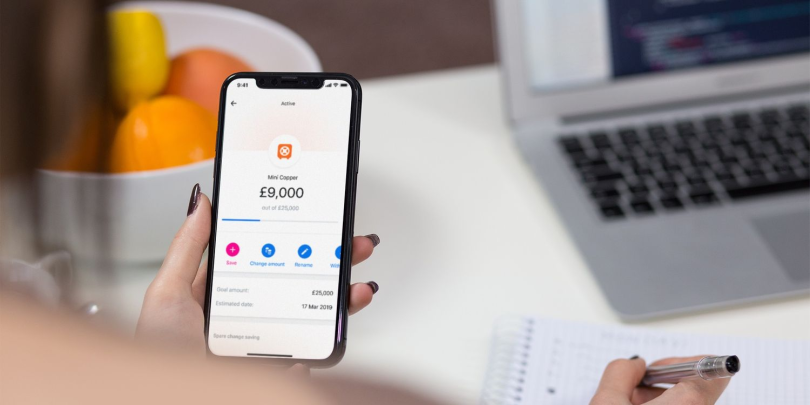
One of the most powerful savings features is the ability to create clear goals. Saving becomes far easier when you know what you are aiming for and can see progress in a visual, motivating way. Goals might include an emergency fund, a holiday, a wedding, a first home, or a buffer for annual bills.
Look for an app that lets you name goals, set deadlines, and track progress without making the experience feel childish or gimmicky. Good design matters here. A calm, informative layout can be more motivating than flashy badges or artificial rewards.
Automation tools
Automation is often the difference between occasional saving and consistent saving. Features such as recurring transfers, spare change round-ups, or scheduled top-ups help remove friction from the process. Rather than relying on willpower, you create a system that works in the background.
The best automation features still allow flexibility. Life changes. Income changes. Expenses change. You want a tool that supports steady saving without locking you into a setup that becomes stressful.
Spending visibility
Saving is easier when you understand your spending patterns. Some apps show this with category breakdowns, trends, and summaries that help you identify where your money is going. This is useful because saving rarely improves in isolation. It improves when spending and planning become clearer too.
An app does not need to become a full accounting platform, but it should give enough insight to help you make better decisions.
Realistic financial planning support
A good app helps you think ahead. This might include forecasts, goal planning, projected progress, or broader guidance around building financial resilience. For many people, saving is not just about storing money. It is about planning a more secure future.
If you are looking for a financial planning app as well as a place to build better habits, it is worth exploring savings app UK as part of your shortlist.
Transparent fees and charges
Some people forget to check the pricing model because the interface looks impressive. That is a mistake. Always understand whether the app is free, partly free, or subscription-based. If there are fees, ask what you are getting in return. A paid app can still be worth it if it offers genuine value, but the benefits should be clear.
Security and account protection
Money apps should make security visible. Look for account protection measures, secure login methods, and clear information on how user data is handled. People should not have to dig through obscure pages to understand how their financial information is protected.
Comparing automatic savings tools, planning apps and hybrid platforms
Not all savings tools are built with the same purpose. Understanding the different categories makes comparison easier.
Automatic saving tools
These are ideal for people who want help creating discipline. They often focus on recurring deposits, round-ups, and effortless behaviour change. Their strength is simplicity. Their weakness is that they may not give a full view of your broader financial picture.
Planning-focused money apps
These are better suited to people who want to connect saving with budgeting, forecasting, and long-term decision-making. They can be especially useful for those who want more context around their financial choices and not just a digital savings pot.
Hybrid finance platforms
Hybrid platforms sit somewhere between the two. They may combine savings, planning, education, insights, and other wealth-building tools. For many users, this offers a stronger all-round experience because it reflects how real financial decisions work. Saving is rarely separate from spending, planning, and future goals.
A hybrid approach can be especially useful if you are not just trying to save more this month but build a healthier system over the next several years.
Best savings tools for beginners, planners and goal-driven savers
Different users need different things, so it helps to assess apps through the lens of behaviour rather than just features.
For beginners
Beginners usually need low friction. The best option will have a clean layout, straightforward language, clear goal setup, and useful guidance. A complicated onboarding process often puts people off before they even begin.
For detailed planners
Planners often want visibility, structure, and meaningful financial context. They may value timeline projections, category insights, net position tracking, and tools that support both short-term saving and longer-term planning.
For goal-driven savers
This group wants motivation and momentum. They may care most about setting multiple goals, tracking milestones, and seeing visual proof that progress is happening. For them, clarity and encouragement matter more than complexity.
For busy professionals
Time matters here. An effective tool should support saving without demanding too much attention. Strong automation, simple dashboards, and smart nudges can make a major difference.
For households and couples
This group may need visibility across shared priorities while still maintaining individual control. Features that support planning, accountability, and easy check-ins tend to matter more than novelty.
Questions to ask before choosing a personal finance app
Before signing up, ask a few simple but important questions.
Does this app match the way I actually save?
Choose a tool that fits your natural habits or the habits you realistically want to build. Do not choose based on aspiration alone.
Will I still use this in six months?
First impressions matter, but staying power matters more. Look for an experience you can imagine returning to regularly without frustration.
Do I understand the pricing?
If there is a fee, it should be clear, justified, and easy to review. Hidden complexity is a warning sign.
Does it give me confidence?
Financial tools should make you feel more informed, not more confused. If the experience feels murky, overcomplicated, or pushy, keep looking.
Is it helping me save, or just helping me look at money?
Some apps are visually appealing but not especially useful. A good app should support real action, not just attractive dashboards.
Common mistakes people make when picking a savings solution
One of the most common mistakes is choosing based purely on branding. A polished homepage can be persuasive, but it tells you very little about whether the app will suit your habits.
Another mistake is overvaluing novelty. Interesting features can be fun, but they do not always support long-term progress. If an app is exciting for a week and then forgotten, it is not the right fit.
Some people also ignore compatibility with their broader financial life. Saving does not happen in a vacuum. It connects to income, spending, budgeting, debt, investment choices, and future plans. A tool that supports this bigger picture often creates more lasting value.
People also underestimate the importance of emotional design. If an app makes you feel judged, overwhelmed, or confused, you are less likely to stay engaged. The best financial tools are not only functional. They are reassuring.
Finally, many users sign up before deciding what they actually want to achieve. If your goals are vague, it becomes much harder to evaluate whether a tool is helping. Start with the outcome you want, then work backwards to the features that matter.
How to judge if a savings app fits your lifestyle
The right app should feel like support, not homework. One useful way to judge fit is to imagine your normal week. Will you check the app in the morning, during a commute, or at the weekend? Will you use it for quick progress checks or for deeper planning sessions? Does the interface suit that pattern?
If your schedule is busy, you may need automation and quick snapshots. If you enjoy planning, you may prefer more depth and customisation. If money has felt stressful in the past, a calm and accessible design may matter more than advanced features.
It also helps to consider your saving triggers and obstacles. Some people struggle with inconsistency. Others struggle with impulse spending. Others simply forget. Your app should help where you tend to wobble.
In that sense, choosing a financial tool is less like picking software and more like choosing a routine. The best one is the one you can stick with.
The role of education, confidence and better money habits
A strong savings app does more than move money around. It can improve financial confidence by helping you understand what is happening and why it matters. This is especially useful for people who feel they were never properly taught how to manage money in a practical, modern way.
Confidence grows when financial information becomes clearer. Progress feels more real when it is visible. Goals feel more manageable when they are broken into smaller steps. Habits feel easier when the system is supportive rather than punishing.
This is also why content, guidance, and plain-language insights can be so valuable. People often do not need lectures. They need calm, usable information that helps them make better choices. A good app recognises that behaviour matters as much as maths.
For broader background on the principles behind managing money well, the Wikipedia page on personal finance offers a useful starting point.
Why habit support matters more than perfection
No one saves perfectly every month. There will be unexpected costs, slower periods, and times when progress stalls. The right app accounts for that reality. It should support consistency without demanding perfection.
This matters because people are far more likely to keep going when a tool feels realistic. A harsh or overly rigid experience may create guilt rather than momentum. A thoughtful one encourages adjustment, learning, and recovery.
That is why design, tone, and usability are not cosmetic details. They shape behaviour.
What a smart buyer’s guide conclusion really comes down to
The best savings app is not the one with the longest feature list. It is the one that helps you take action, stay consistent, and feel more in control of your money over time.
For some people, that will mean a simple tool that automates transfers and keeps things tidy. For others, it will mean a broader financial planning experience with clearer visibility, stronger forecasting, and support for bigger life goals. The right choice depends on your habits, priorities, and what kind of support helps you stay engaged.
A smart decision starts by being honest about what you need. Do you want motivation? Structure? Planning? Simplicity? A bit of all four? Once that is clear, it becomes much easier to filter out distractions and choose a tool that genuinely fits your life.
Saving should not feel mysterious or out of reach. With the right app, it can become one of the calmest and most empowering parts of your financial routine.
FAQsWhat is the most important feature to look for in a savings app?
The most important feature is the one that helps you stay consistent. For many people, that means automation, goal tracking, and a simple interface. A feature only matters if it supports regular use.
Should I choose a free or paid savings app?
That depends on the value you get. A free app may be enough if you only need basic goal setting and visibility. A paid app can be worthwhile if it offers planning tools, better insights, or a more complete financial experience.
Can a savings app help with budgeting too?
Many can. Some tools combine savings features with spending analysis, budgeting support, and wider financial planning. This can be useful if you want a better overview of your money rather than a standalone savings pot.
Is a savings app suitable for beginners?
Yes, as long as the app is easy to understand and does not overload you with information. Beginners often benefit most from simple tools that encourage routine and make progress feel visible.
How do I know if I will actually keep using a savings app?
Think about your habits. If the app feels easy, relevant, and supportive of your lifestyle, you are more likely to stick with it. Look for something that fits naturally into your routine rather than something that demands too much effort.